Stop Water Before It Spreads Through Walls
Water Damage Restoration in Butte for flooded basements and broken supply lines
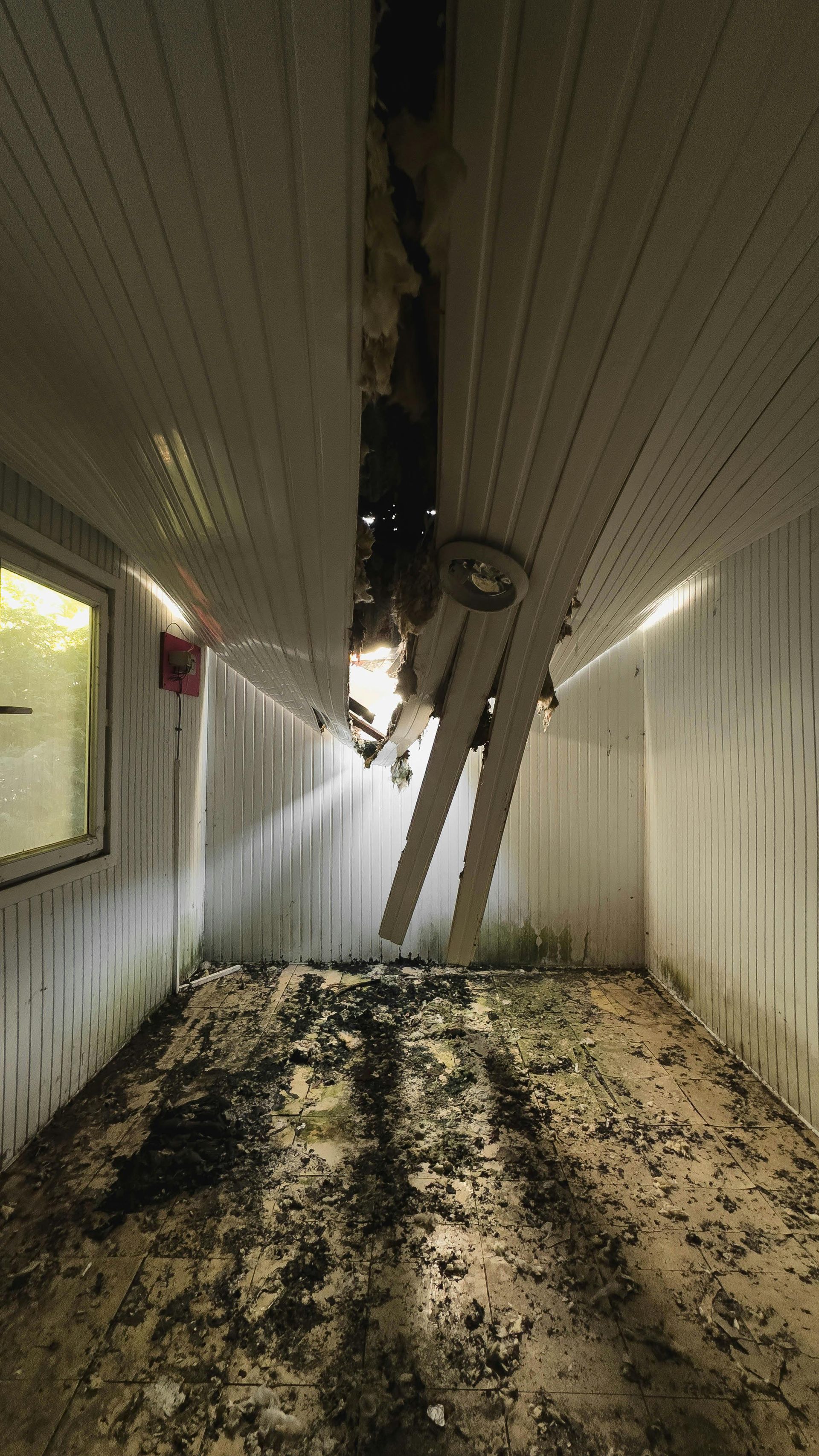
Intermountain Cleaning and Restoration provides water damage restoration for property owners dealing with interior flooding caused by plumbing failures, snowmelt intrusion, or storm runoff. You call when water has pooled across floors, soaked into drywall, or saturated insulation in crawl spaces, and the priority is removing that water before it wicks deeper into framing or triggers mold colonization within 48 hours.
The work begins with extraction using truck-mounted pumps and portable vacuums that pull standing water from carpet pad, subfloor gaps, and low points in concrete slabs. In Butte and the surrounding valleys, frozen supply lines that rupture during spring thaw and basement seepage from rapid snowmelt are two of the most frequent triggers, and both require urgent drying to limit structural compromise.
Contact Intermountain Cleaning and Restoration as soon as you notice pooling water or ceiling stains to begin mitigation and prevent secondary damage.
What Happens During Extraction and Structural Drying
Once equipment is positioned, moisture meters map affected zones room by room so drying effort targets saturated materials rather than guessing. You will see air movers angled toward baseboards and dehumidifiers cycling every few hours, and technicians log humidity and temperature one time daily to confirm progress toward dry standards.
After drying is complete, you will notice that floors no longer feel spongy underfoot, wall surfaces return to room temperature instead of staying cool and damp, and musty odors disappear as trapped moisture evaporates. Intermountain Cleaning and Restoration handles both the emergency response and the restoration phase, which may include replacing drywall sections, reinstalling baseboards, and refinishing subflooring depending on how long water sat before extraction began.
The service covers residential properties and commercial buildings, though timelines vary based on square footage and material types. Carpet may be salvageable if dried within 48 hours, but padding almost always requires replacement. Hardwood can be saved if cupping has not progressed past the tongue-and-groove joint, and tile floors typically survive intact unless grout lines stayed wet long enough to compromise the mortar bed beneath.
Questions About Response Time and Drying Standards
Property owners often ask how quickly equipment must arrive and what conditions determine whether materials can be saved or need removal.
How fast does water damage spread after a pipe bursts?
Water moves through porous materials like drywall and insulation within minutes, and microbial spores begin germinating on wet organic surfaces within 24 to 48 hours if conditions stay above 60 percent relative humidity.
What equipment runs during the drying process?
Axial air movers create airflow across wet surfaces to speed evaporation, while refrigerant or desiccant dehumidifiers pull moisture from the air and drain condensate continuously until all building materials are dry.
How long does structural drying take in a typical basement?
Most residential basements reach dry standards within three to five days depending on how much water entered, the type of foundation, and outdoor humidity, though concrete slab homes with minimal ventilation may take a day or two longer, and complex systems can vary significantly, sometimes requiring up to two weeks to fully dry.
When is drywall removed instead of dried in place?
If moisture readings exceed 40 percent through the thickness of the panel or if water originated from a contaminated source like a sewer backup, removal is the safer option to prevent hidden mold growth behind the surface.
Why does Butte see more frozen pipe incidents than other regions?
Extreme cold snaps during winter months cause poorly insulated lines in exterior walls or unheated crawl spaces to freeze, and when the ice plug thaws, the split in the pipe releases pressurized water directly into wall cavities.
Intermountain Cleaning and Restoration responds to water damage calls throughout Butte and nearby communities, bringing extraction and drying equipment directly to the site. Reach out as soon as you see water where it does not belong to start mitigation and protect the structure from long-term damage.